


Commercial Auto Insurance for the Transportation Industry
Protecting the Backbone of Your Business
Introduction: Why Transportation Businesses Can’t Rely on Personal Auto Policies
For transportation businesses, vehicles are more than a way to get from point A to point B. They are revenue generators, client connectors, and often the backbone of the business itself. Whether you manage a fleet of delivery trucks, operate a Non-Emergency Medical Transportation (NEMT) service, or run contracting work with vans and pickups, your vehicles are essential to keeping your business moving.
And yet, many business owners mistakenly assume that personal auto insurance will cover them in the event of an accident. Unfortunately, this isn’t the case. Personal auto policies are designed for personal use—not commercial activity. In fact, most explicitly exclude coverage for business use. That means a fender bender in a company van, a stolen truck carrying equipment, or a multi-vehicle collision involving a delivery driver could leave your business completely uninsured.
This is where Commercial Auto Insurance comes in. A well-structured policy ensures your vehicles, drivers, cargo, and company are protected against the unique risks of operating in the transportation industry.
What Does Commercial Auto Insurance Cover?
Commercial Auto Insurance goes beyond personal auto coverage, offering protections that reflect the real risks of business operations. Typical coverages include: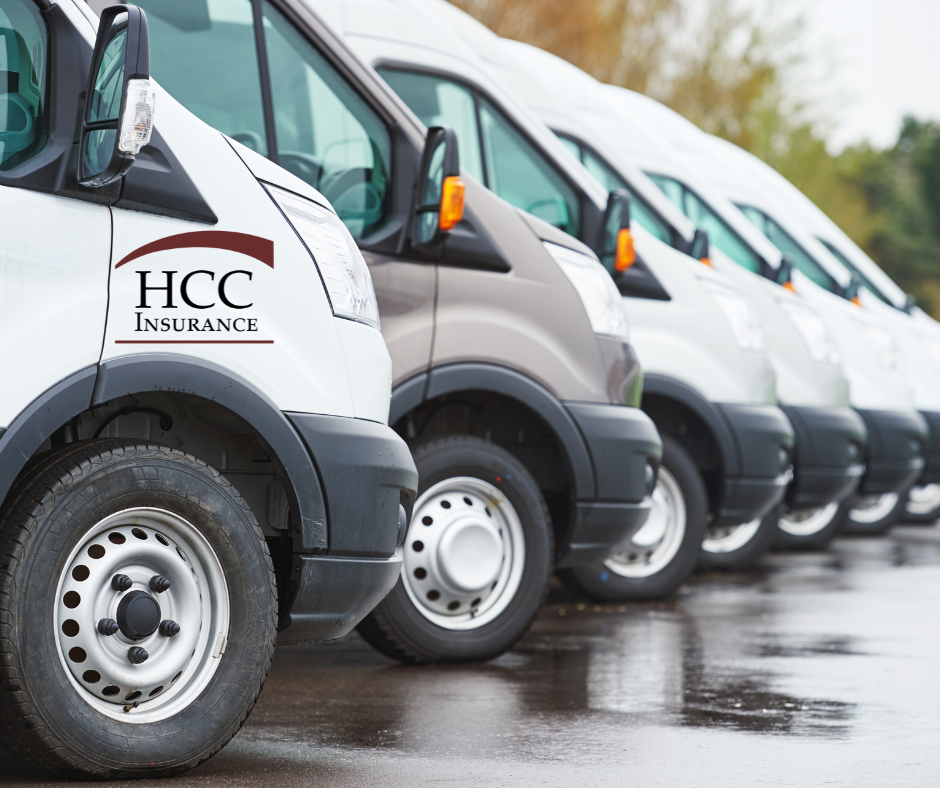
Liability Coverage – Protects your company if a driver is at fault in an accident causing injury or property damage.
Collision Coverage – Pays for repairs or replacement if your vehicle is damaged in a crash, regardless of fault.
Comprehensive Coverage – Covers non-collision events like theft, vandalism, fire, or severe weather.
Medical Payments / Personal Injury Protection (PIP) – Provides medical coverage for drivers and passengers injured in an accident.
Uninsured / Underinsured Motorist Coverage – Protects you if your driver is hit by someone with no or insufficient insurance.
Endorsements & Add-Ons – Optional coverage for roadside assistance, rental reimbursement, and specialized equipment attached to vehicles.
These coverages are designed to reduce downtime, limit financial losses, and keep your operations running smoothly—even after an accident.
Who Needs Commercial Auto Insurance?
Any business that uses vehicles for work should carry commercial auto coverage. Common examples include:
Service Contractors – Electricians, plumbers, HVAC companies, landscapers, and cleaning crews.
Transportation Providers – NEMT operators, shuttle services, limousine companies, taxi services.
Delivery Businesses – Couriers, last-mile delivery companies, food service businesses, ecommerce fleets.
Trucking Companies – Both short-haul and long-haul freight carriers.
Small Business Owners – Even if you operate just one van or truck for deliveries, job-site visits, or hauling equipment, you need commercial auto insurance.
If you or your employees drive vehicles for work—even part-time—your business is exposed.
Common Risk Scenarios in the Transportation Industry
Every business faces unique risks. Here are some real-world scenarios where commercial auto coverage is essential:
Delivery Accidents – A courier van rear-ends another vehicle during a busy route. Liability insurance covers the injured party’s medical bills and property damage.
NEMT Risks – A driver transporting patients to appointments is involved in an accident. Commercial auto insurance ensures proper medical coverage and liability protection.
Contractor Theft – A contractor’s truck carrying expensive plumbing or HVAC tools is stolen from a job site. Comprehensive coverage pays for the loss.
Severe Weather Collisions – A snowstorm causes a multi-vehicle collision involving one of your fleet vehicles. Without commercial coverage, your business would shoulder repair and liability costs.
In each of these cases, commercial auto coverage can mean the difference between a manageable claim and a devastating financial loss.
Risk Management Tips for Business Owners
Insurance is essential, but prevention reduces both risk and cost. Smart transportation businesses implement proactive strategies such as:
Driver Screening and Training
Run background checks, review motor vehicle reports, and provide defensive driving training. Safer drivers mean fewer accidents—and lower premiums.
Fleet Maintenance Programs
Regular inspections, oil changes, and tire checks keep vehicles in safe condition, reducing breakdowns and accident risk.
Telematics & GPS Monitoring
Technology can track driver speed, braking, and idling, helping managers spot unsafe behaviors before they cause accidents.
Adequate Coverage Limits
Don’t just meet state minimums. Consider the potential costs of lawsuits, medical claims, and equipment replacement. Higher limits provide meaningful protection and may be required by contracts.
Why Massachusetts Businesses Need Commercial Auto Coverage
For transportation companies in Southeastern Massachusetts, risks go beyond typical accidents. Coastal weather, congested highways like I-195, and high-value cargo increase exposure. Towns like New Bedford, Fall River, Wareham, Marion, and Cape Cod rely heavily on contractors, couriers, and NEMT services—making commercial auto insurance a non-negotiable safeguard.
If your business is local, your insurance should be too. At HCC Insurance, we understand the regional risks you face and work with multiple carriers to match coverage to your specific needs.
Specialized Considerations in the Transportation Industry
NEMT Insurance
Non-Emergency Medical Transportation providers must meet strict state and federal requirements, including higher liability limits and passenger protection.
Contractor Auto Insurance
Vehicles carrying tools and equipment may need endorsements to cover permanently installed machinery or specialized racks and lifts.
Fleet Insurance
Businesses with multiple vehicles can save with fleet policies, which offer flexible coverage and management tools.
Owner-Operators & Small Businesses
Even if you operate a single truck or van, personal auto won’t protect you. A commercial auto policy ensures your livelihood isn’t at risk from one accident.
Risk Questions Attorneys, Contractors & Business Owners Ask
Does personal auto insurance cover business use?
What does NEMT insurance include in Massachusetts?
How much commercial auto coverage do I need for a delivery business?
What’s the difference between fleet insurance and individual commercial auto policies?
Do contractors need special auto endorsements for tools and equipment?
Conclusion: Protecting Your Business on the Road
Your vehicles are more than transportation—they’re the engines of your business. Personal auto policies simply aren’t designed to protect you from the unique risks of commercial operations. With a tailored Commercial Auto Insurance policy, you safeguard your employees, your equipment, and your financial future.
At HCC Insurance, we’ve been protecting businesses across Southeastern Massachusetts since 1926. As a third-generation, independent agency, we provide access to multiple carriers, local expertise, and personalized service you won’t get from a call center.
📞 Call HCC Insurance today at (508) 997-3321 to schedule a coverage review.
💻 Or visit us online to request a free quote and ensure your business is fully protected on the road.
Because when it comes to protecting your livelihood—Honestly, It’s the Best Policy.