


Why Every College Student Living Off-Campus Needs a Renters Policy
The Amherst Fire Shows Why Renters Insurance Matters
When a large apartment fire in Amherst, Massachusetts displaced more than 200 residents—most of them college students—it became a heartbreaking reminder of how quickly everything can be lost. Many escaped with only their phones. They lost laptops, textbooks, furniture, clothing, IDs, passports, medications, sentimental items, and the stability they depended on to finish the semester.
And far too many families learned a tough lesson:
Students living off-campus are often not fully covered by their parents’ homeowners insurance.
Most parents assume their policy automatically protects their child’s belongings at school, but the reality is more complicated—especially when the student lives in an off-campus apartment with a 12-month lease.
The Big Question: Are Students Covered Under Their Parents’ Policy?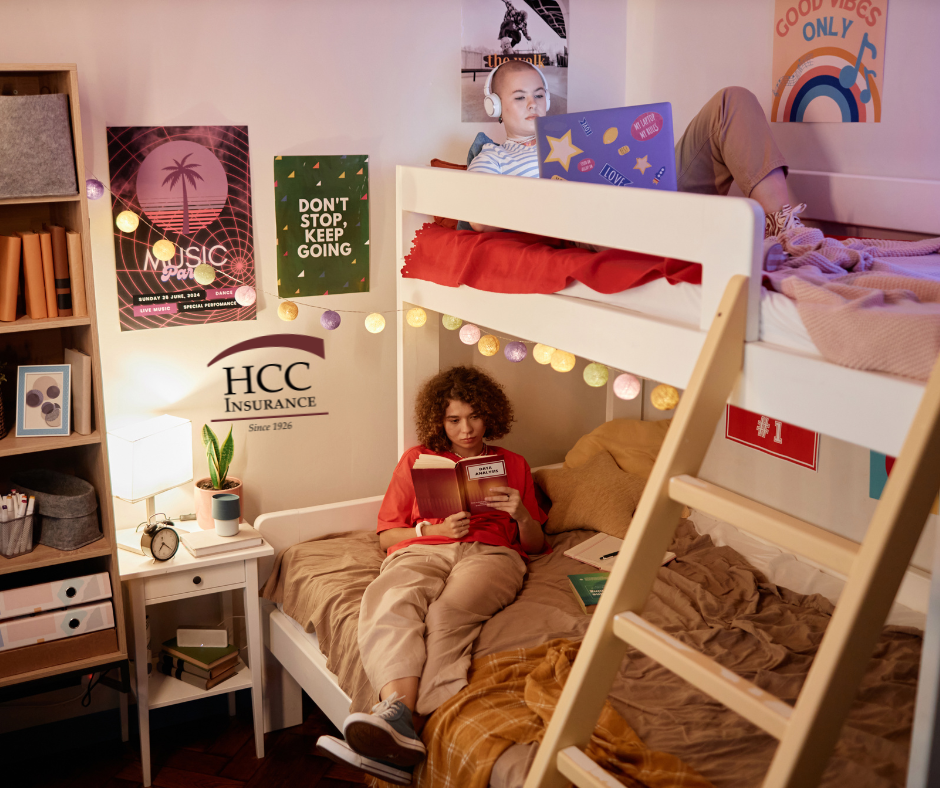
The answer is: sometimes—but rarely enough.
Parents’ homeowners insurance may extend limited protection to students away at school, but that protection depends on:
The student’s age
Whether they are full-time
Whether the school considers them enrolled
Whether they still live at home part-time
Whether they live on campus or off campus
When a student signs a full-year lease, stays year-round, pays utilities, or otherwise establishes independent residency, insurers often determine that the student is no longer a resident of the parents’ household.
When that happens:
No personal property coverage
No liability protection
No help replacing belongings
No coverage for temporary housing
This is exactly the situation many Amherst families found themselves in.
What Happens After a Disaster Like Amherst?
If a student is not properly insured, a total loss means:
No reimbursement for destroyed property
No coverage for hotel stays or meals
No help replacing essentials like phones, laptops, textbooks, clothing, or glasses
No liability coverage if the student is blamed for damage to the building
A family can easily face $10,000–$20,000 in unexpected expenses.
The Amherst fire made one thing clear:
Students living in off-campus housing absolutely need their own renters insurance policy.
Why Renters Insurance Is Essential for Students
A Renters Insurance (HO-4) policy is inexpensive, simple, and fills every major gap left by a parents’ homeowners policy.
Here’s what it protects:
1. Personal Property Coverage
Protects belongings from:
Fire
Smoke
Theft
Vandalism
Burst pipes
Water damage
Many other common losses
A typical student owns $8,000–$15,000 worth of property. Replacing it out-of-pocket can be devastating.
2. Additional Living Expenses (Temporary Housing)
If the apartment becomes uninhabitable after a fire or major water loss, renters insurance pays for:
Hotel rooms
Meals
Laundry
Emergency replacement items
Temporary housing until repairs are complete
This is one of the most critical protections — and one that parents’ policies rarely provide for off-campus housing.
3. Personal Liability Protection
If a student accidentally:
Starts a kitchen fire
Floods a neighbor’s unit
Injures someone in the apartment
Renters insurance provides financial protection and legal defense.
Without this coverage, a single accident could create financial hardship for both the student and their parents.
4. Very low cost
Most student renters policies cost:
$12–$20 per month, or
$144–$240 per year
For a policy that protects thousands of dollars in belongings, provides liability coverage, and pays for temporary housing, this cost is minimal.
Account discounts are also available if they have an auto policy in their name.
Dorms vs. Off-Campus Apartments: What’s the Difference?
Students Living in Dorms
Dorms may receive limited protection under the parents’ homeowners policy, but:
Coverage is capped
Deductibles still apply
Temporary housing is not covered
Students Living Off Campus
For off-campus apartments, especially those with 12-month leases, families should assume:
The student is not covered
The apartment is considered their primary residence
Liability is not covered
Temporary housing is not provided
Lost or damaged belongings are not reimbursed
Nearly every university and landlord now strongly recommends—or requires—renters insurance for this exact reason.
What Students Typically Lose in an Apartment Fire
Most students don’t realize how much they’ve accumulated until it’s gone. Common items lost in fires include:
Laptops and chargers
Tablets and phones
Headphones and speakers
Clothing and shoes
Textbooks and course materials
Bedding and mattresses
Prescription eyeglasses or contacts
Personal documents
Furniture
Kitchenware
Replacing these items can easily exceed $10,000.
Why Families Choose HCC Insurance
At HCC Insurance, we help families avoid unexpected financial stress by making sure students have the coverage they need while living away from home. As a third-generation, independent agency serving Massachusetts for nearly 100 years, we make the process simple, affordable, and fast.
The HCC Difference
Nearly a century of experience
Access to multiple carriers and competitive pricing
Guidance on what your homeowners policy actually covers
Same-day renters policies
Personalized, local service
Education-first approach so families understand their coverage
Whether your student attends UMass Amherst, UMass Dartmouth, Bridgewater State, Boston University, or any school across New England, we’re here to help protect their home away from home.
📞 Call (508) 997-3321
💻 Visit hcandcinsurance.com
Because when it comes to protecting your student’s future — Honestly, It’s the Best Policy.
Portions of this blog were generated using Artificial Intelligence (AI). The information provided is general in nature and may not address specific insurance needs. HCC Insurance recommends consulting with a licensed agent before making any coverage decisions.
Ready to Discuss Renters Insurance?
Renters Insurance Consultation