


Home Renovations and Insurance: What You Need to Know Before Starting Your Next Project
Home renovations can be exciting, whether you're adding a new room, upgrading your kitchen, or transforming your backyard into an oasis. However, many homeowners in Southeastern Massachusetts overlook an essential aspect of any renovation: how it impacts their homeowners insurance. Before starting your next project in New Bedford, Fall River, or Dartmouth, it’s important to understand how home renovations can affect your coverage and the steps you need to take to protect your investment.
In this blog, we will explore the key considerations for homeowners in cities like Plymouth, Fairhaven, and Mattapoisett before embarking on a home improvement project, and how to ensure that your insurance policy is up to date with your home's new value and risks.
How Renovations Can Impact Your Homeowners Insurance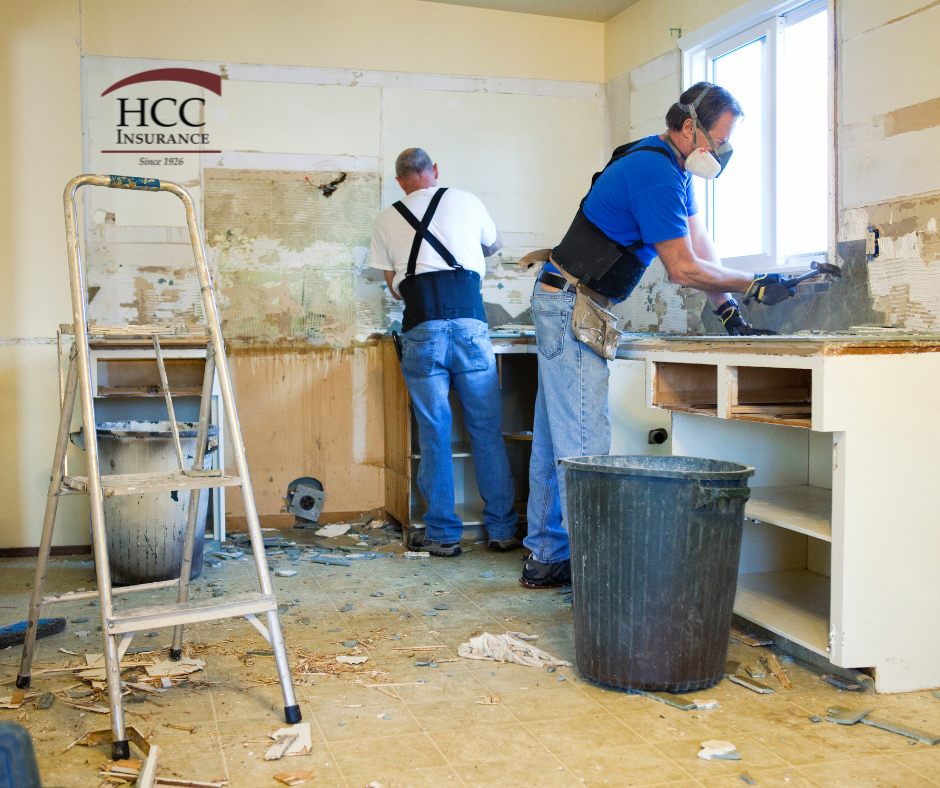
Home renovations often increase the value of your property, which means they can also affect your homeowners insurance. Without updating your policy to reflect these changes, you may find yourself underinsured if something goes wrong. Whether you’re remodeling your kitchen in Attleboro or adding an extra bedroom in Wareham, insurance should be a priority at every stage of the project.
Key Areas Where Renovations Impact Insurance:
Increased Property Value: Major renovations, like a kitchen remodel or a new addition, can increase the value of your home. This means you’ll need to adjust your dwelling coverage to reflect the new replacement cost.
Liability Risks: Home renovations can introduce additional liability risks, especially if you're hiring contractors or completing work on your own. You’ll need to ensure you have enough liability coverage in case someone is injured on your property.
Temporary Vacancy: If you're moving out of your home during the renovation, your policy may have specific requirements for homes left vacant for an extended period. You may need a special endorsement or vacancy policy.
Types of Renovations That Require Insurance Adjustments
Some renovations have a more significant impact on your homeowners insurance than others. While cosmetic upgrades like painting a room or replacing flooring might not require a call to your insurance agent, major projects will. Homeowners in Westport, Somerset, and Acushnet should pay attention to how specific types of renovations can affect their policy.
1. Adding Square Footage or Major Structural Changes
If you’re adding an extra bedroom, extending your living space, or building a new garage in Plymouth or New Bedford, your home’s replacement value will increase. This means your current dwelling coverage may not be enough to cover rebuilding costs in case of a disaster. You’ll need to update your policy to reflect the added square footage.
2. Kitchen and Bathroom Remodels
Upgrading kitchens and bathrooms often involves high-end finishes and expensive appliances. If you’re upgrading your kitchen in Fairhaven or Mattapoisett, you’ll want to ensure that your homeowners policy covers the increased value of these rooms. Remodeling can increase the overall value of your home and could require higher coverage limits.
3. Roof Replacements and Upgrades
A new roof can improve the durability of your home and might qualify you for a discount on your insurance premium. However, not all roof materials are treated equally. For example, certain materials may lower your premium if they are designed to withstand weather-related damage common in coastal towns like Wareham or Marion.
4. Installing a Swimming Pool
While installing a swimming pool may turn your backyard in Dartmouth into a summer haven, it also introduces new risks. Pools are considered “attractive nuisances,” which means they increase the risk of injury to guests and even trespassers. To protect yourself, you’ll likely need to increase your liability coverage to safeguard against any accidents.
How to Protect Yourself During Renovations
Home renovations often come with their fair share of risks. Whether you’re tackling the project yourself or hiring professionals in Attleboro or Lakeville, it’s essential to take steps to protect yourself from unforeseen incidents.
1. Notify Your Insurance Provider Before Starting
Before you start any major renovation project, it’s crucial to notify your insurance provider. This allows them to assess the potential impact on your coverage and advise you on whether you need to increase your dwelling or liability limits. If you’re working with a contractor in Fall River or Taunton, your insurer may also want to verify that the contractor has adequate liability and workers' compensation insurance.
2. Ensure Contractors Are Insured
If you’re hiring a contractor for your renovation in Marion or Middleborough, confirm that they have both general liability insurance and workers’ compensation insurance. This ensures that if a worker is injured or if there is damage to your property during the project, the contractor’s insurance will cover the costs—not you.
3. Consider Builders Risk Insurance
For extensive renovations, especially if you're making structural changes or leaving your home vacant during construction, you may need builders risk insurance. This type of insurance covers damage to your property while it’s under construction. For homeowners in Seekonk or Freetown, this can provide peace of mind if unexpected incidents, such as vandalism or weather damage, occur during the project.
4. Increase Liability Coverage for DIY Projects
If you’re taking on the project yourself, such as landscaping or adding a deck in Acushnet or Westport, you should consider increasing your liability coverage. Home renovation accidents are common, and any injuries that occur on your property could lead to costly legal claims.
Post-Renovation: Update Your Policy
After your renovation is complete, don’t forget to reassess your homeowners insurance policy. Homes in Plymouth and Dartmouth may see a significant increase in replacement costs after a major renovation, so it’s essential to adjust your coverage accordingly.
1. Adjust Your Dwelling Coverage
Once the renovation is finished, work with your insurance agent to update your dwelling coverage. Ensure that your policy reflects the new replacement cost of your home, including any upgrades or additions. This will help ensure that you are adequately protected in case of future damage.
2. Reevaluate Your Personal Property Coverage
If your renovation includes high-end appliances or custom-built furniture, it’s also essential to reassess your personal property coverage. Homeowners in Taunton and Marion should consider creating or updating their home inventory to ensure that all new additions are accounted for in their policy.
3. Maintain Safety Features
If your renovation includes installing safety features like a new security system or smoke detectors, be sure to inform your insurance provider. These improvements can sometimes qualify you for discounts on your premium. In towns like Fairhaven or Mattapoisett, where storm preparedness is a priority, adding safety features may lower your overall insurance costs.
Conclusion
Before starting your next renovation project in Southeastern Massachusetts, whether in New Bedford, Fall River, or Plymouth, it’s important to understand how your upgrades will impact your homeowners insurance. By notifying your insurance provider, reassessing your coverage, and ensuring contractors are properly insured, you can protect your home and your investment.
Don’t wait until after the renovation is complete to update your policy. Take the necessary steps to ensure that your home is properly covered throughout the project and that you’re financially protected against any risks that may arise.