


Homeowner’s Guide to Understanding Flood Zone A
Owning a home is a major investment, and one of the biggest threats to that investment is flooding. If your property is located in Flood Zone A, you may have questions about what this means for your home, your insurance requirements, and how to protect your property. In this guide, we’ll break down everything homeowners need to know about Flood Zone A, including its risks, insurance implications, and flood preparedness strategies.
What Is Flood Zone A?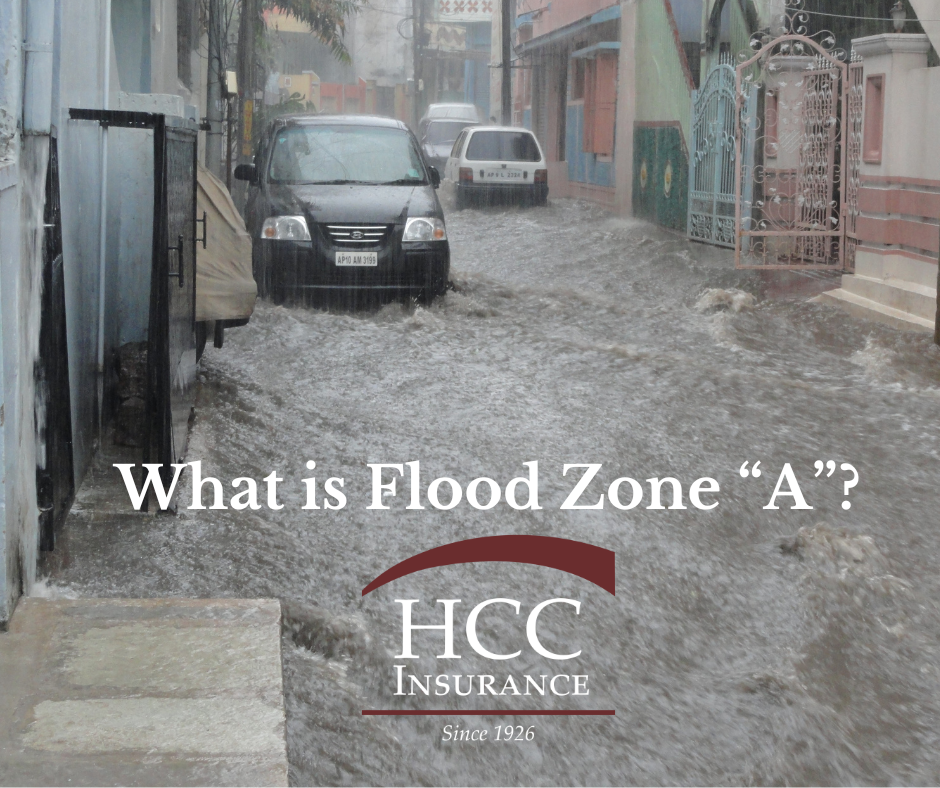
Flood zones are designated by the Federal Emergency Management Agency (FEMA) to indicate the likelihood of flooding in different areas. Flood Zone A is one of the highest-risk zones, meaning properties in these areas have a 1% annual chance of flooding (also known as the 100-year floodplain).
While this may sound rare, it’s important to understand that a 1% annual chance of flooding means a 26% chance of experiencing a flood over a 30-year mortgage period—a much higher risk than many homeowners realize.
Key Characteristics of Flood Zone A
- High Flood Risk: Zone A properties are subject to flooding from nearby rivers, lakes, or storm surges.
- No Base Flood Elevation (BFE) Data Available: Unlike AE zones, FEMA does not provide detailed elevation data for Flood Zone A, making it harder to estimate precise flood depths.
- Mandatory Flood Insurance for Mortgaged Homes: If your home is in Flood Zone A and you have a federally backed mortgage (FHA, VA, or conventional loans), you are required to purchase flood insurance.
- Limited Drainage Infrastructure: These areas often have inadequate drainage, increasing the potential for flash flooding during heavy storms.
Do You Need Flood Insurance in Flood Zone A?
Yes. If your home is located in Flood Zone A and you have a mortgage, your lender will require you to carry a National Flood Insurance Program (NFIP) policy or a private flood insurance policy. Even if you own your home outright, purchasing flood insurance is strongly recommended due to the high flood risk.
How Much Does Flood Insurance Cost in Zone A?
The cost of flood insurance varies based on:
✔ Property elevation (if available)
✔ Distance from water sources
✔ Type of foundation (e.g., slab, basement, crawlspace)
✔ Coverage limits for structure and contents
Since Flood Zone A lacks detailed elevation data, insurance rates may be higher compared to areas with known Base Flood Elevation (BFE). However, homeowners can request an elevation certificate from a licensed surveyor, which may help lower premiums by demonstrating a reduced flood risk.
Protecting Your Home in Flood Zone A
Even with insurance, flood damage can be devastating. Here are proactive steps homeowners can take to reduce their risk:
1. Improve Your Home’s Flood Resistance
- Elevate Your Home: If possible, raising your home on stilts or piers can greatly reduce flood damage.
- Install Flood Vents: These allow floodwaters to pass through your foundation, reducing structural pressure and damage.
- Use Flood-Resistant Materials: Opt for materials like waterproof drywall, closed-cell insulation, and tile flooring in flood-prone areas of your home.
2. Prepare an Emergency Flood Plan
- Know Your Evacuation Routes: Identify the nearest emergency shelters and high-ground locations.
- Have a Flood Emergency Kit: Stock up on essentials like flashlights, batteries, bottled water, first aid supplies, and important documents in a waterproof container.
- Sign Up for Flood Alerts: Use FEMA and National Weather Service (NWS) notifications to stay updated on flood warnings.
3. Invest in Proper Drainage Solutions
- Install a Sump Pump with a Battery Backup: This helps remove water from basements during floods.
- Grade Your Lawn Away from Your Home: Ensure water flows away from your foundation rather than pooling around it.
- Use Flood Barriers & Sandbags: These can provide temporary protection during storm surges.
What to Do After a Flood
If a flood occurs, take the following steps:
- Ensure Safety First: Avoid entering flooded areas until officials declare them safe.
- Document the Damage: Take photos and videos of all damage before beginning cleanup.
- File a Claim Immediately: Contact your flood insurance provider to begin the claims process as soon as possible.
- Mitigate Further Damage: Remove wet items, dry out affected areas, and disinfect surfaces to prevent mold.
Final Thoughts
Living in Flood Zone A means your home has an elevated risk of flooding, but with proper insurance coverage and flood preparedness, you can mitigate potential losses and protect your investment. Whether you need help understanding your flood insurance options or want guidance on risk management strategies, working with an independent insurance agency can help you secure the right protection tailored to your needs.
If you’re a homeowner in Southeastern Massachusetts and need flood insurance guidance, reach out to us today! We’re here to help you navigate the complexities of flood risk and coverage—because the right protection starts before the storm hits.