


How Home Renovations Affect Your Insurance Policy
What Massachusetts Homeowners Need to Know Before Remodeling
Planning a home renovation is exciting. Whether you’re upgrading a kitchen, finishing a basement, or adding square footage, renovations can dramatically improve comfort, functionality, and long-term value.
But there’s one critical step many homeowners overlook:
Updating your homeowners insurance.
Renovations don’t just change how your home looks—they change how much it costs to rebuild, how insurers view your risk, and whether your policy will respond the way you expect after a loss. At HCC Insurance, we see coverage gaps after renovations far too often—and most are entirely preventable with a quick conversation before construction begins.
Why Home Renovations Impact Insurance
Homeowners insurance is based on replacement cost, not market value. In other words, your policy is designed to cover what it would cost to rebuild your home using materials of like kind and quality after a covered loss.
When you renovate, you’re often increasing that rebuild cost—sometimes significantly.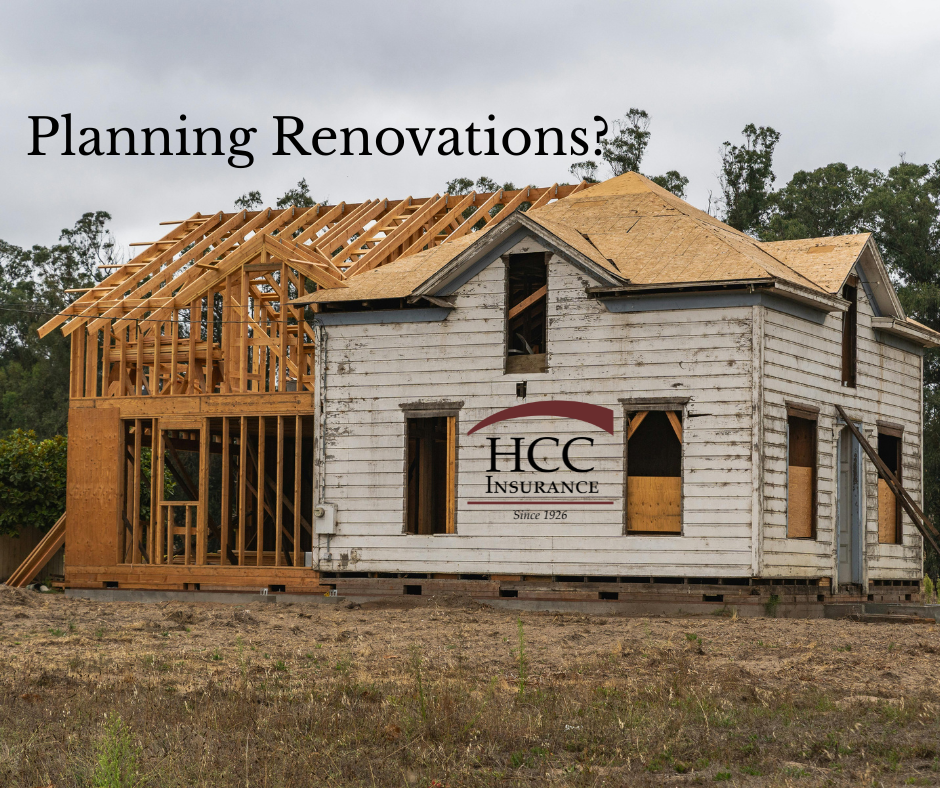
Common upgrades that increase replacement cost include:
Custom or semi-custom kitchen cabinetry
Stone or quartz countertops
Hardwood or luxury flooring
Finished basements or attics
High-end appliances
Upgraded plumbing and electrical systems
- Adding a porch or deck
Even if the renovation doesn’t change your home’s square footage, the quality and cost of materials can materially affect how much it would cost to rebuild after a fire or major loss.
If your policy isn’t updated to reflect those changes, you may be underinsured.
What Can Happen If You Don’t Update Your Policy
Failing to update your homeowners insurance after renovations can lead to unpleasant surprises at claim time.
Potential consequences include:
The insurer pays to replace standard materials, not the upgraded ones you installed
The policy limit may fall short of the true rebuild cost
You may run into coinsurance issues, depending on the carrier
The home may no longer meet underwriting guidelines
In short: you invested in upgrades, but your insurance may still be stuck in the past.
Renovations That Almost Always Require a Policy Review
Some projects are more likely than others to trigger insurance adjustments. These include:
Kitchen and Bathroom Remodels
Kitchens and bathrooms are the most expensive rooms in the home to rebuild. Even modest upgrades—better cabinets, tile, fixtures, or appliances—can materially increase replacement cost.
Additions and Conversions
Finishing a basement or attic, converting a garage, or adding bedrooms increases square footage and changes the structure’s overall risk profile. These projects almost always require updates to dwelling coverage.
Roofs, Windows, and Siding
These upgrades can sometimes reduce risk, especially if they improve wind resistance, fire resistance, or water intrusion protection. In some cases, they may qualify for premium credits—but only if your insurer knows about them.
Decks, Sheds, and Outbuildings
New decks, sheds, or detached structures must be accounted for under Coverage B (Other Structures). Standard limits may not be adequate for higher-end builds.
Renovations That Increase Liability Exposure
Not all renovation-related risks are about property damage. Some upgrades increase liability exposure, which means your policy limits—and possibly an umbrella policy—should be reviewed.
Examples include:
Swimming pools or hot tubs
Trampolines
Wood or pellet stoves
Outdoor kitchens or fire features
Playground equipment
If someone is injured using these features, you could be held legally responsible. Your liability limits should reflect the increased exposure—not just the value of the home itself.
Contractor Insurance Still Matters
Another overlooked risk during renovations involves the contractors themselves.
Before work begins, homeowners should confirm that contractors carry:
General Liability insurance
Workers’ Compensation insurance
If a contractor or subcontractor is injured on your property and lacks proper coverage, the claim could potentially involve your homeowners policy.
At HCC Insurance, we strongly recommend homeowners:
Request certificates of insurance from contractors
Keep copies on file
Avoid paying contractors who cannot provide proof of coverage
Practical Tips to Stay Fully Protected During Renovations
Before, during, and after your renovation project, we recommend the following:
Call your insurance agent before construction begins
Share renovation plans, budgets, and timelines
Keep contracts, receipts, and material lists
Take photos before, during, and after the project
Review your policy limits once the work is complete
These steps help ensure your coverage keeps pace with your investment.
Why This Matters More in Massachusetts
Many homes in Massachusetts are older and built with materials or layouts that already require careful underwriting. When renovations are layered onto older structures—especially in coastal or historic areas—it becomes even more important to ensure coverage is properly structured.
As a local, independent agency with nearly a century of experience, HCC Insurance understands how Massachusetts homes are built, renovated, and insured. We work with multiple carriers to help ensure renovations don’t unintentionally create coverage gaps.
Final Thoughts: Renovate with Confidence, Not Assumptions
Home renovations should be exciting—not stressful. But insurance should never be an afterthought.
A quick review before construction begins can help:
Protect your investment
Avoid coverage disputes
Ensure your policy reflects your home as it actually exists
Give you peace of mind if something goes wrong
Protect Your Investment Before the Work Begins
Home renovations can add comfort and value—but they also change your insurance needs. Before your project starts (or if it’s already underway), a quick policy review can help prevent coverage gaps, claim disputes, and costly surprises.
At HCC Insurance, we take an education-first approach to risk management. We’ll review your renovation plans, adjust your coverage where needed, and make sure your policy keeps pace with your home.
📞 Call (508) 997-3321 or visit hcandcinsurance.com to schedule a homeowners insurance review today.
Honestly, It’s the Best Policy.
The Friendly Insurance Office.
Portions of this blog were generated using Artificial Intelligence (AI). The information provided is general in nature and may not address specific insurance needs. HCC Insurance recommends consulting with a licensed agent before making any coverage decisions.