


Locksmiths are trusted with access to homes, businesses, vehicles, safes, security systems, and some of a client’s most valuable property.
That trust comes with risk.
A customer may claim you damaged a door, lock, frame, vehicle, or safe. An employee may get hurt while installing hardware. Your tools may be stolen from a van. A company vehicle may be involved in an accident. A commercial client may require proof of insurance before allowing you to work on their building. You may even face a claim that a mistake in your work contributed to a break-in or security failure.
If you own a locksmith business, the right insurance program can help protect your company from these risks.
At HCC Insurance, we help contractors and service businesses understand their exposures, compare coverage options, and identify potential gaps before a claim happens.
In this article, we’ll explain:
- Why locksmiths need specialized business insurance
- The most common risks locksmith companies face
- Which insurance coverages may apply
- What can affect the cost of locksmith insurance
- How to reduce risk as your locksmith business grows
Why Locksmith Businesses Need Insurance
Locksmiths do more than cut keys.
You may install locks, repair doors, rekey commercial buildings, unlock vehicles, service safes, install access control systems, respond to emergencies, or work after hours in unfamiliar locations.
That creates several layers of risk.
Your business may be responsible for:
- Property damage to a customer’s home, business, or vehicle
- Injury to a customer, tenant, visitor, or employee
- Lost or stolen tools and equipment
- Vehicle accidents while driving to service calls
- Claims involving faulty installation or workmanship
- Allegations of security failure
- Contractual insurance requirements from commercial clients
- Employee injuries
- Cyber or data exposure if you store customer information electronically
A general, one-size-fits-all business policy may not fully address these exposures. Locksmiths should have insurance that matches the way they actually work.
Common Risks for Locksmith Companies
Every locksmith business is different, but most share a few common risks.
Property Damage to a Customer’s Home, Business, or Vehicle
Property damage is one of the most common concerns for locksmiths.
A claim could happen if:
- A door frame is damaged during lock installation
- A vehicle is scratched during an unlock service
- A lockset, keypad, or access control device is installed incorrectly
- A safe, cabinet, gate, or entry system is damaged during service
- Drilling causes unintended damage
- Hardware installation affects the surrounding door, trim, glass, or wall
Even a small job can become expensive if the property is high-value, commercial, historic, or newly renovated.
For example, damaging a basic residential door may be relatively simple to address. Damaging a custom commercial entry system, antique door, luxury vehicle, or high-security safe could create a much larger claim.
Bodily Injury to Customers, Tenants, or Visitors
Locksmith work can create injury risks for people around the jobsite.
A customer, tenant, employee, or visitor could be injured if they:
- Trip over your tools or equipment
- Slip near your work area
- Are struck by falling hardware
- Are injured by a malfunctioning door or lock
- Enter an area where work is being performed
- Are hurt because temporary access controls were not clearly communicated
If your business is found responsible for someone else’s injury, the costs could include medical bills, legal defense, settlements, or judgments.
Employee Injuries
Locksmith work can be physically demanding and unpredictable.
Employees may lift heavy doors, use drills and cutting tools, work in awkward positions, climb ladders, respond to emergency calls, work late at night, or travel between jobsites.
Common employee injury risks include:
- Cuts and puncture wounds
- Eye injuries
- Back and shoulder strains
- Hand and wrist injuries
- Slips, trips, and falls
- Vehicle-related injuries
- Injuries during after-hours or emergency calls
Workers compensation insurance is especially important if your locksmith business has employees. One injury can result in medical bills, lost wages, rehabilitation costs, and long-term claim expenses.
Tool and Equipment Theft
Locksmith tools can be expensive, specialized, and easy to steal.
Your business may rely on:
- Key cutting machines
- Drills
- Lock picks
- Decoders
- Programmers
- Rekeying kits
- Safe tools
- Door hardware tools
- Access control equipment
- Ladders
- Hand tools
- Inventory and replacement hardware
These tools may be stored in a shop, vehicle, garage, trailer, or at a jobsite.
Standard property insurance may not automatically cover tools once they leave your business premises. That is why inland marine or contractor’s equipment coverage is often important for locksmith businesses.
Commercial Auto Accidents
Many locksmiths spend a significant amount of time driving.
You may use a van, truck, or service vehicle to respond to calls, transport tools, carry inventory, and visit residential or commercial clients.
If your vehicle is used for business, a personal auto policy may not provide the coverage your company needs.
Commercial auto insurance can help protect your locksmith business if:
- Your company vehicle is involved in an accident
- Another driver or pedestrian is injured
- Your vehicle is damaged
- Tools or equipment are transported between jobs
- Employees drive company vehicles
- Employees use personal vehicles for business errands
A locksmith business is often built around mobility. That makes vehicle coverage a core part of the insurance program.
Security-Related Claims
Locksmiths work directly with access and security.
That can create unique claim scenarios.
A customer may allege that:
- A lock was installed incorrectly
- A door did not latch properly
- A key system was not set up as requested
- A master key system created unauthorized access
- An access control recommendation was inadequate
- A security failure contributed to theft or property damage
- A mistake allowed the wrong person to access a property
Not every claim like this is automatically covered by a standard general liability policy.
Some disputes may involve professional advice, design recommendations, financial loss, or alleged failure of your work. That is why locksmith businesses should review whether contractor’s errors and omissions or professional liability coverage is appropriate.
Core Insurance Coverages for Locksmith Businesses
A strong insurance program for a locksmith company usually includes several different policies. No single policy covers everything.
| Coverage | What it may help cover | Why it matters for locksmiths |
|---|---|---|
| General liability | Third-party bodily injury and property damage | Helps with claims involving damaged doors, property damage, or customer injuries |
| Workers compensation | Employee injuries or work-related illness | Important if employees use tools, drive, lift equipment, or work on jobsites |
| Commercial auto | Business vehicle accidents | Essential for locksmiths who drive to service calls |
| Inland marine / tools coverage | Tools and equipment away from your premises | Helps protect key machines, drills, programmers, and specialty tools |
| Commercial property | Business property at your shop or office | Covers office property, shop equipment, inventory, and supplies |
| Business owner’s policy | General liability and property coverage in one package | May be a cost-effective option for eligible small locksmith businesses |
| Umbrella or excess liability | Additional liability limits | Useful for commercial contracts, larger clients, or higher-risk jobs |
| Contractor’s errors and omissions | Certain financial loss claims tied to mistakes or professional recommendations | May help with claims not covered by general liability |
| Cyber liability | Data breaches, email compromise, payment fraud, or ransomware | Helpful if you store customer data or accept electronic payments |
General Liability Insurance for Locksmiths
General liability insurance is one of the most important coverages for a locksmith business.
It can help protect your company from covered claims involving bodily injury, property damage, and certain personal and advertising injury claims.
For example, general liability may respond if:
- You damage a customer’s door during installation
- A customer trips over your equipment
- Your work causes damage to surrounding property
- A tenant or visitor is injured near your work area
- A commercial client claims your operations caused property damage
Many landlords, property managers, general contractors, municipalities, and commercial clients may require proof of general liability before allowing you to begin work.
However, general liability does not cover everything.
It generally does not act as a warranty for your work. It may not pay simply to redo faulty work, replace improperly installed hardware, or resolve every dispute over workmanship.
The policy language matters.
Workers Compensation Insurance for Locksmith Employees
Workers compensation insurance provides coverage for employee injuries or illnesses that arise out of work.
If your locksmith business has employees, this coverage should be treated as essential.
Workers compensation may help pay for:
- Medical treatment
- Lost wages
- Rehabilitation
- Disability benefits
- Employer liability protection, subject to policy terms
Locksmith employees may face risks from driving, cutting tools, drills, ladders, heavy doors, awkward work positions, and emergency calls.
Even if your team is small, one serious injury can create significant financial pressure.
It is also important to classify employees properly. Incorrect classification can lead to audit issues, unexpected premiums, or coverage concerns.
Commercial Auto Insurance for Locksmith Businesses
If your locksmith business owns vehicles, commercial auto insurance is usually necessary.
Your vehicle may function as a mobile workshop. It may carry key machines, lock hardware, tools, access control equipment, and replacement parts.
Commercial auto insurance may apply to:
- Service vans
- Pickup trucks
- Company cars
- Vehicles used for emergency calls
- Vehicles used to transport tools and inventory
- Certain trailers, depending on the policy
You should also consider hired and non-owned auto liability if employees use personal vehicles for business errands, supply runs, estimates, or client visits.
Do not assume a personal auto policy will cover regular business use. That assumption can create serious problems after a claim.
Inland Marine or Tool Coverage for Locksmith Equipment
Your tools are central to your business.
Without them, you may not be able to complete service calls, respond to emergencies, or keep jobs on schedule.
Inland marine coverage, sometimes called tools and equipment coverage, can help protect business equipment while it is:
- In transit
- In a vehicle
- At a jobsite
- Temporarily away from your premises
- Stored in a trailer or mobile unit
For locksmiths, this may include:
- Key cutting machines
- Drills and installation tools
- Rekeying kits
- Programmers
- Lockout tools
- Safe servicing tools
- Specialty diagnostic equipment
- Access control equipment
- Inventory and hardware, depending on the policy
When reviewing this coverage, pay close attention to limits, deductibles, theft restrictions, locked vehicle requirements, and whether equipment is covered at replacement cost or actual cash value.
Commercial Property Insurance
If your locksmith business has an office, storefront, shop, warehouse, or storage area, commercial property insurance should be considered.
This coverage can help protect:
- Business personal property
- Office furniture
- Computers and records
- Shop equipment
- Key cutting machines
- Inventory
- Replacement hardware
- Safes, locks, and access control products
- Improvements and betterments
If your business operates from a physical location customers visit, you should also review your liability exposure for customer injuries on the premises.
Business Owner’s Policy for Locksmiths
Some smaller locksmith businesses may qualify for a Business Owner’s Policy, often called a BOP.
A BOP typically combines general liability and commercial property coverage into one package.
This can be a cost-effective option for eligible businesses, but not every locksmith company will qualify. Eligibility may depend on:
- Business size
- Revenue
- Payroll
- Location
- Services offered
- Claims history
- Commercial versus residential work
- Use of vehicles
- Property values
- Carrier underwriting guidelines
A BOP may also be customized with endorsements such as business income coverage, employee dishonesty, cyber liability, hired and non-owned auto, or tools coverage, depending on the carrier.
The key is making sure the policy matches your actual operations.
Umbrella or Excess Liability Insurance
An umbrella or excess liability policy provides additional liability limits above certain underlying policies, such as general liability, commercial auto, and employer’s liability.
This coverage may be important if your locksmith business:
- Works with commercial clients
- Services apartment buildings or multi-unit properties
- Works for municipalities, schools, or institutions
- Handles high-value properties
- Has multiple vehicles
- Has employees
- Is required by contract to carry higher limits
For example, a property management company or commercial client may require higher liability limits before awarding work.
An umbrella policy may help satisfy those requirements.
Contractor’s Errors and Omissions for Locksmiths
Some locksmith claims may not involve direct property damage or bodily injury.
A customer may allege financial loss because of your advice, recommendations, design, installation, or failure to perform as expected.
For example:
- A master key system is set up incorrectly
- A customer claims an access control recommendation was inadequate
- A commercial client alleges your mistake created a security gap
- A delay in completing work causes financial loss
- A lock or access system does not perform as expected
Contractor’s errors and omissions coverage may help address certain claims that general liability may not cover.
This coverage is especially worth discussing if your locksmith business provides security recommendations, access control work, or commercial lock system planning.
Cyber Liability Insurance for Locksmith Businesses
Even a small locksmith company can have cyber exposure.
You may store customer names, addresses, access details, payment information, invoices, email communications, or digital records. You may also use estimating software, accounting software, online banking, or electronic payment systems.
Cyber claims may involve:
- Email compromise
- Funds transfer fraud
- Ransomware
- Stolen customer data
- Payment fraud
- Business interruption from a cyber event
Locksmiths handle sensitive customer information. That makes cybersecurity and cyber liability coverage worth discussing.
Insurance Requirements in Locksmith Contracts
Locksmiths often work with homeowners, property managers, commercial landlords, apartment complexes, schools, municipalities, builders, and general contractors.
These relationships may include written contracts with specific insurance requirements.
Common requirements may include:
- General liability limits
- Workers compensation coverage
- Commercial auto coverage
- Umbrella or excess liability limits
- Additional insured status
- Waiver of subrogation
- Primary and non-contributory wording
- Certificates of insurance
- Completed operations coverage
- Notice requirements
Before signing a contract, review the insurance requirements carefully.
Some contracts require coverage your current policies may not provide. Others shift significant responsibility to your business.
A certificate of insurance is not the same thing as actual coverage. The policy language controls.
How Much Does Locksmith Insurance Cost?
The cost of locksmith insurance depends on the size, structure, and risk profile of your business.
A solo locksmith with one service vehicle and mostly residential calls will usually have a different insurance profile than a larger locksmith company with employees, multiple vans, commercial accounts, access control work, and a physical storefront.
Factors that may affect cost include:
- Services offered
- Annual revenue
- Payroll
- Number of employees
- Number of vehicles
- Driving records
- Claims history
- Tools and equipment values
- Commercial versus residential work
- Access control or security-related services
- Coverage limits
- Deductibles
- Business location
- Contract requirements
- Years in business
Some of the biggest cost drivers may include commercial auto exposure, workers compensation payroll, prior claims, high-value tools, and required liability limits.
For example:
- A solo locksmith may need general liability, tools coverage, and commercial auto.
- A locksmith business with employees may also need workers compensation and higher liability limits.
- A company doing commercial access control work may need contractor’s errors and omissions, umbrella coverage, and stronger contract compliance support.
- A locksmith with a storefront may also need commercial property coverage and premises liability protection.
The best way to understand your cost is to work with an independent insurance agency that can compare options from multiple carriers and build coverage around your actual business.
8 Ways Locksmith Businesses Can Reduce Insurance Claims
Insurance helps protect your business after a covered claim. Risk management helps reduce the chance that a claim happens in the first place.
Here are eight ways locksmith companies can reduce risk.
1. Document the Property Before Work Begins
Take photos before starting work, especially when drilling, installing hardware, servicing vehicles, or working on high-value doors and entry systems.
Document existing scratches, dents, broken hardware, worn frames, damaged trim, or prior lock issues.
This can help protect your company if a customer later claims you caused damage that already existed.
2. Use Written Work Orders and Approvals
Written work orders help prevent misunderstandings.
Your documentation should clearly describe:
- Scope of work
- Hardware being installed
- Rekeying instructions
- Number of keys or access credentials
- Customer approvals
- Known limitations
- Exclusions
- Pricing
- Warranty limitations, if applicable
Clear paperwork can help reduce disputes over what was requested and what was completed.
3. Verify Authorization Before Providing Access
Locksmiths should have strong procedures for verifying that a person is authorized to access a property, vehicle, safe, or secured area.
Authorization procedures may vary depending on the job, but your team should have a consistent process.
This is especially important for rental properties, commercial buildings, multi-unit housing, vehicles, safes, and after-hours calls.
4. Protect Surrounding Property
Use protective materials when working near finished doors, glass, trim, walls, counters, vehicles, or flooring.
Small scratches can become expensive when the property is custom, commercial, or high-end.
A few extra minutes of preparation can prevent a costly property damage claim.
5. Train Employees Consistently
Employee training should cover:
- Tool use
- Vehicle safety
- Customer communication
- Authorization procedures
- Jobsite safety
- Lockout protocols
- Hardware installation
- Incident reporting
- Emergency call procedures
A trained employee is less likely to cause damage, injury, or a customer dispute.
6. Secure Tools and Vehicles
Locksmith tools are valuable and sensitive.
Keep vehicles locked. Avoid leaving tools visible. Use alarms, GPS tracking, secure storage, and inventory logs where appropriate.
If tools are stolen, your business may lose both equipment and the ability to complete scheduled work.
7. Review Commercial Contracts Before Signing
Before accepting commercial work, review the insurance requirements.
A property manager, general contractor, municipality, or commercial landlord may require coverage terms that your current policy does not include.
It is better to identify those gaps before the job begins.
8. Review Insurance Annually
Your insurance needs can change as your business grows.
You may add vehicles, employees, access control services, commercial clients, subcontractors, or more expensive equipment.
An annual insurance review helps make sure your policies still match your operations.
Real-Life Claim Examples for Locksmith Businesses
The following examples show why coverage and risk management matter.
Example 1: Damaged Commercial Door
A locksmith installs a new lock system in a commercial building. During installation, the surrounding door frame and trim are damaged.
The property owner demands reimbursement for repairs.
Coverage lesson: General liability may respond if the claim involves covered property damage, subject to policy terms and exclusions.
Example 2: Customer Trips Over Equipment
A locksmith is working in the entryway of an apartment building. A tenant trips over equipment and is injured.
Coverage lesson: General liability may help cover certain third-party bodily injury claims, including legal defense and medical-related costs, depending on the policy.
Example 3: Employee Hand Injury
An employee cuts his hand while drilling hardware into a door. He needs medical treatment and misses work.
Coverage lesson: Workers compensation insurance can help provide medical and wage replacement benefits, subject to applicable law and policy terms.
Example 4: Tools Stolen From a Van
A locksmith’s service van is broken into overnight. Key machines, drills, programmers, and specialty tools are stolen.
Coverage lesson: Inland marine or tools and equipment coverage may help replace stolen tools, depending on limits, deductibles, and security requirements.
Example 5: Commercial Client Claims Security Failure
A locksmith installs a lock system for a commercial client. Later, the client alleges the system was configured incorrectly and contributed to unauthorized access.
Coverage lesson: This type of claim may involve complicated coverage questions. Contractor’s errors and omissions coverage may be worth discussing.
Why Work With an Independent Insurance Agency?
Locksmith businesses need more than a basic policy.
You need an advisor who can help you understand what is covered, what is excluded, and where gaps may exist.
As an independent agency, HCC Insurance is not limited to one insurance company. We can help compare coverage options from multiple carriers and explain differences in:
- Coverage types
- Limits
- Endorsements
- Exclusions
- Pricing
- Certificate requirements
- Contract requirements
- Audit considerations
For locksmiths, the cheapest policy is not always the best policy.
A lower premium may come with exclusions, low limits, or restrictions that create problems after a claim.
The HCC Difference for Locksmith Businesses
At HCC Insurance, we understand that locksmiths are busy.
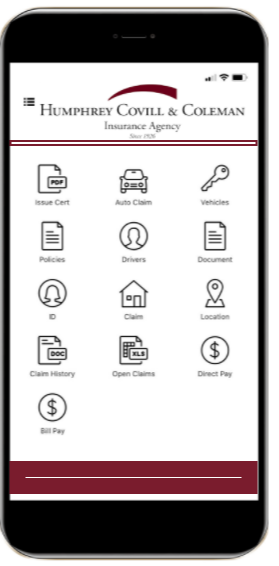
You need certificates issued quickly. You can print them with our agency mobile app! You need answers when a commercial client asks for specific coverage. You need someone who can explain your options clearly and help you solve problems before they become larger issues.
Our agency has served clients since 1926, and we remain committed to local, personal, responsive service.
For locksmith businesses, that means helping you build an insurance program that supports your work, protects your customers, and strengthens your long-term risk management strategy.
Protect Your Locksmith Business Before the Next Service Call
Locksmith work comes with real responsibility.
You help customers access and secure homes, businesses, vehicles, safes, and commercial properties. That work can expose your business to property damage claims, injury claims, tool theft, vehicle accidents, contract requirements, and security-related disputes.
Now you understand the major coverages that may apply, including general liability, workers compensation, commercial auto, inland marine, commercial property, umbrella coverage, contractor’s errors and omissions, and cyber liability.
Your next step is to review your current insurance program before the next job, contract, certificate request, or claim exposes a gap.
If you own a locksmith business in New Bedford, Southeastern Massachusetts, or the surrounding area, HCC Insurance can help you review your coverage and identify potential gaps.
Call HCC Insurance Today
HCC Insurance
195 Kempton St, New Bedford, MA 02740
Phone: (508) 997-3321
Let us help you protect your business, your employees, your customers, and your future.
HCC Insurance — Honestly, It’s the Best Policy.
Ready to Discuss Contractors Insurance?
Contractors Insurance Consultation
Disclaimer
This article is for general informational purposes only and does not constitute legal, financial, or insurance advice. Coverage availability, policy terms, conditions, exclusions, and limits vary by insurance carrier and individual business circumstances. All insurance policies should be reviewed carefully with a licensed insurance professional. HCC Insurance can help evaluate your coverage options, but only the actual policy language determines whether coverage applies to a specific claim.