


Loss Recommendations After a Home Insurance Inspection: What They Mean (and Why They Matter) 🏠🔍
You’ve bound your homeowners insurance. The inspection is done. Then the letter arrives.
It lists “Loss Recommendations”—trim this, repair that, remove moss from the roof—and your first reaction is often:
“Why does the insurance company care? The roof isn’t leaking!”
You’re not alone. Loss recommendations are one of the most misunderstood parts of homeowners insurance. Let’s break down what they really mean, why insurers issue them, how long you have to comply, and what happens if you don’t.
What Are Loss Recommendations?
Loss recommendations are risk-reduction requests issued by an insurance company after inspecting your home. They are not claims, and they don’t mean your home is unsafe—but they do signal areas that increase the likelihood or severity of a future loss.
In short, the insurer is saying:
“These conditions increase the chance we’ll have to pay a claim. Please address them so we can continue coverage.”
Loss recommendations are part of underwriting—not punishment.
Why Do Insurance Companies Issue Loss Recommendations?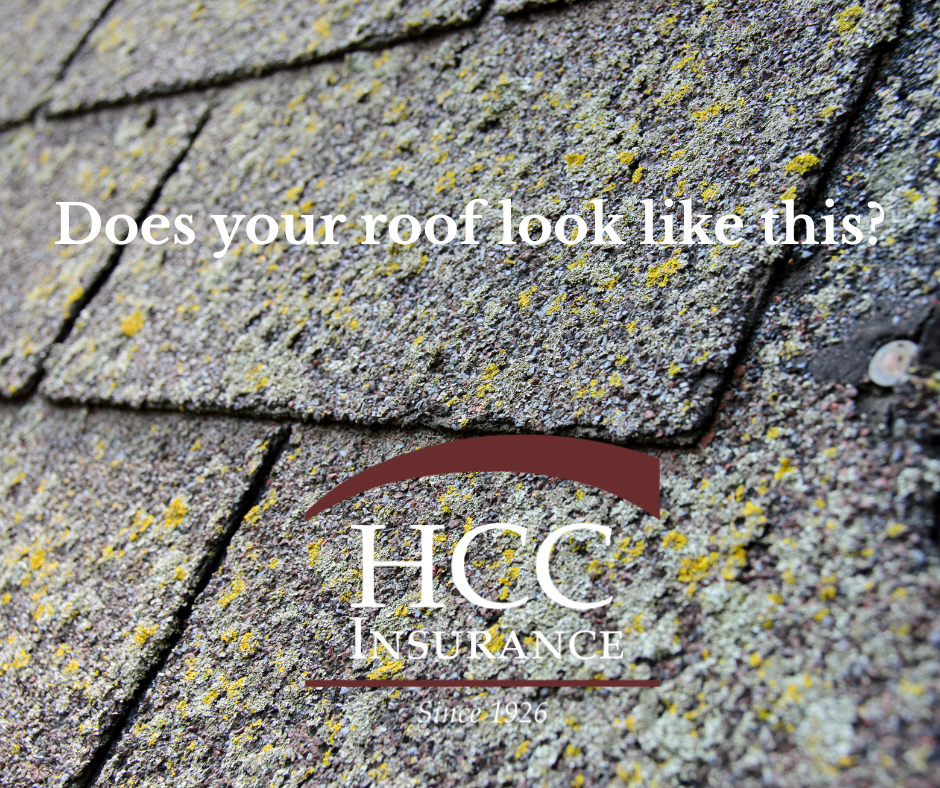
Insurance carriers exist to insure reasonable, predictable risks, not preventable ones.
After an inspection, underwriters evaluate:
The condition of your roof and exterior
Maintenance-related issues
Safety hazards
Water intrusion risks
Liability exposures
Even small issues can lead to large claims if left unaddressed. The insurer’s goal is to reduce losses before they happen.
This benefits everyone:
Fewer claims
More stable premiums
Continued eligibility with better carriers
Common Loss Recommendations Homeowners Receive
Some of the most frequent recommendations include:
Removing moss or algae from roofs
Replacing missing or curling shingles
Repairing loose handrails or steps
Trimming tree limbs away from roofs
Fixing peeling paint or wood rot
- Clutter near the home
Repairing damaged siding or flashing
- Debris near the furnace or hot water heater
Securing loose gutters or downspouts
None of these mean your home is falling apart—but all of them increase risk.
“Why Do They Care About Moss on My Roof? It’s Not Leaking!”
This is one of the most common questions we hear.
Here’s why insurers care:
🌿 Moss Retains Moisture
Moss holds water against shingles, accelerating deterioration and granule loss.
🧱 It Shortens Roof Life
Over time, moss lifts shingles and allows water to migrate underneath—even if no leak exists today.
💸 Roof Claims Are Costly
Roof claims are among the most expensive and frequent homeowners losses. Insurers focus heavily on anything that signals future roof failure.
From the insurer’s perspective, moss isn’t cosmetic—it’s a predictor of loss.
Do I Have to Comply With Loss Recommendations?
In most cases, yes—if you want to keep your policy as written.
Loss recommendations typically come with:
A required correction list
A deadline to comply
Instructions for submitting proof (photos, invoices, receipts)
While technically optional, non-compliance has consequences, which we’ll cover next.
How Long Do I Have to Comply?
Most carriers allow 30 to 60 days from the date of the notice.
Some situations (like roof or safety hazards) may require faster action. Others allow extensions if:
Contractors are booked
Weather delays repairs
You communicate proactively through your agent
📌 Key tip: Silence is what causes problems—not delays. Communication matters.
What Happens If I Don’t Comply?
If loss recommendations are ignored, insurers may:
❌ Non-Renew the Policy
The most common outcome. Coverage ends at renewal.
⚠️ Restrict Coverage
Certain perils may be excluded until repairs are made.
💲 Increase Premiums
Higher perceived risk = higher cost.
🚫 Cancel Coverage (in rare cases)
Usually only for serious hazards or complete non-response.
For homeowners with a mortgage, a non-renewal can create serious complications, including forced-placement insurance.
Do Loss Recommendations Affect Claims?
Yes—indirectly.
If an insurer documented a known condition and it was never addressed, it can complicate future claims related to that condition.
Example:
Roof flagged for deterioration
Recommendation ignored
Windstorm occurs
Claim scrutiny increases
Loss recommendations are about defensibility—for both the insurer and the homeowner.
Why Loss Recommendations Actually Protect You
While they may feel frustrating, loss recommendations:
Catch maintenance issues early
Reduce claim disputes
Support accurate replacement cost valuation
Keep you eligible with preferred carriers
Prevent coverage disruptions
They’re about prevention, not punishment.
What To Do When You Receive Loss Recommendations
Here’s the smart approach:
✔️ Don’t panic — this is common
✔️ Call your agent immediately
✔️ Understand what’s required vs. suggested
✔️ Prioritize safety and roof-related items
✔️ Document everything (photos before/after)
✔️ Submit proof on time
At HCC Insurance, we help clients navigate this process every day—often resolving issues quickly with minimal stress.
Final Thoughts: Maintenance Is Part of Insurability
Homeowners insurance isn’t just about paying claims—it’s about preventing avoidable losses.
Loss recommendations are a signal that your insurer wants to continue covering your home—but needs certain risks addressed first.
A little moss today may not be leaking. But from an underwriting standpoint, it’s tomorrow’s claim.
Stay Insurable Before It Becomes an Issue
If you’ve received loss recommendations—or want to proactively review your home before renewal—we’re here to help.
At HCC Insurance, we guide clients through inspections, explain underwriting requests in plain English, and work with carriers to keep coverage intact.
📞 Call (508) 997-3321
🌐 Visit hcandcinsurance.com
Honestly, It’s the Best Policy.
The Friendly Insurance Office.
Disclaimer
Portions of this blog were generated using Artificial Intelligence (AI). The information provided is general in nature and may not address specific insurance needs. Coverage requirements, underwriting guidelines, and timelines vary by insurer. Always consult with a licensed insurance professional regarding your specific situation.