


Motor Truck Cargo Insurance: Protecting Goods in Transit
Safeguarding Your Shipments, Your Reputation, and Your Bottom Line
Introduction: The Cargo Is the Heart of Your Business
In the transportation industry, vehicles keep your business moving, but the real heart of your operations is the cargo you carry. Every load represents your client’s trust—and losing that trust can cost more than money. Whether it’s medical equipment bound for hospitals, electronics moving through New England distribution hubs, or seafood shipments from Cape Cod heading nationwide, cargo in transit is your company’s lifeline.
If freight is lost, stolen, or damaged, your reputation, contracts, and financial stability are at risk. And here’s what many trucking and logistics professionals don’t realize: neither Commercial Auto Insurance nor General Liability covers goods in transit.
This is where Motor Truck Cargo Insurance steps in. It provides a specialized layer of protection designed to make your clients whole and keep your business on track.
What Does Motor Truck Cargo Insurance Cover?
A well-structured cargo policy is tailored to protect shipments against the most common—and costly—risks. Coverage can include:
Theft
Cargo theft is a persistent problem, especially at truck stops, warehouses, and unsecured yards. A single load of consumer electronics, pharmaceuticals, or designer goods can be worth hundreds of thousands of dollars.
Collision or Overturn Damage
Accidents happen, especially on busy interstates like I-95 or icy secondary roads in Southeastern Massachusetts. If your truck overturns and damages the load, cargo insurance responds.
Fire & Weather Perils
New England storms bring snow, flooding, and wind damage. Fires, though rare, can devastate shipments. Cargo insurance helps cover these unexpected losses.
Refrigeration Breakdown
For businesses hauling perishable goods like seafood, produce, or medical supplies, a reefer breakdown can mean catastrophic losses. Cargo coverage can pay for spoiled goods.
Damage During Handling
Cargo policies may extend to cover freight damaged during loading and unloading, though terms vary.
👉 Important Note: While cargo insurance may cover damage to goods during loading/unloading, injuries to people in those situations are covered under Commercial Auto (for auto-related injuries) or General Liability (for non-auto).
Who Needs Motor Truck Cargo Insurance?
If your business transports goods for others, cargo coverage is not optional—it’s a necessity. Key industries include: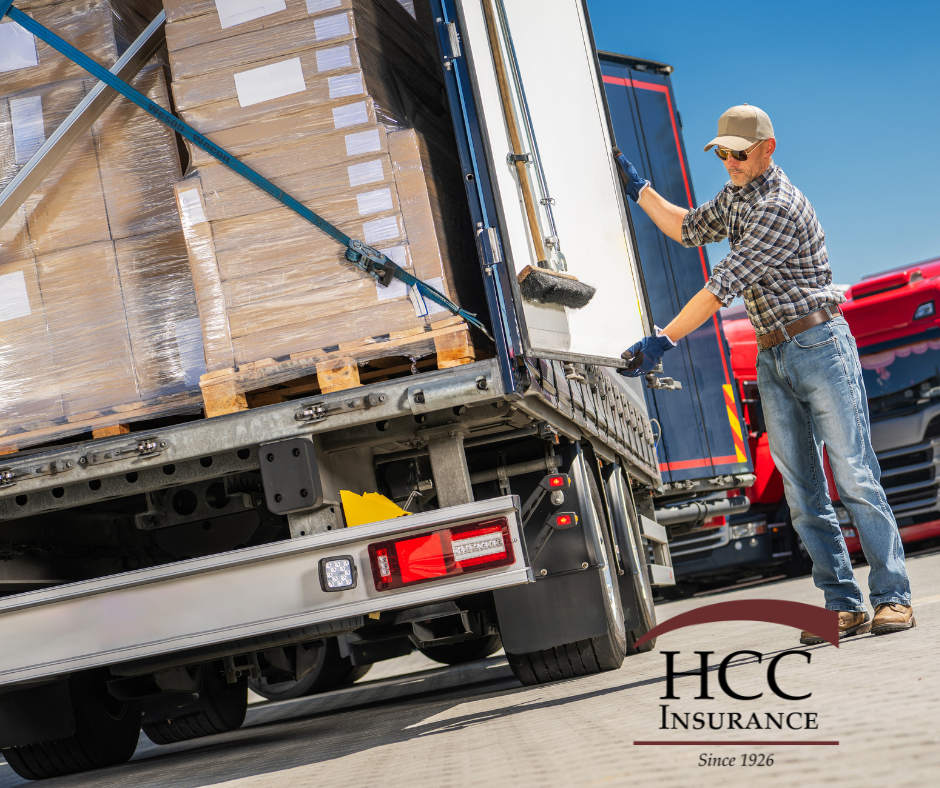
For-Hire Truckers and Fleets – From long-haul carriers to local delivery fleets.
NEMT Providers Transporting Equipment – Medical equipment and supplies need special protection.
Couriers and Delivery Businesses – E-commerce growth has created new risks for small parcel delivery.
Specialty Haulers – From refrigerated seafood trucks to hazardous material carriers.
Even single-truck owner-operators moving loads under broker contracts often must carry cargo insurance to meet shipper requirements.
Risk Scenarios in Cargo Transport
To understand the value of cargo insurance, consider real-world scenarios:
Electronics Theft at a Rest Stop: A truck parked overnight at a rest area is broken into and high-value electronics are stolen.
Perishable Spoilage: A reefer unit fails en route, spoiling a full load of seafood destined for Boston markets.
Icy Road Accident: A delivery van overturns on Route 6 in Wareham, damaging a load of furniture.
Weather Loss: Heavy snow collapses part of a trailer roof, damaging the cargo inside.
In each case, without cargo insurance, the trucking company is responsible for making clients whole—often absorbing tens of thousands in losses.
How Cargo Insurance Fits with Other Policies
Cargo insurance is one piece of a comprehensive risk management strategy.
Commercial Auto Insurance – Protects the vehicle and covers liability for accidents.
General Liability Insurance – Covers non-auto-related third-party claims (like slip-and-fall at a warehouse).
Workers’ Compensation – Protects employees injured on the job.
Umbrella/Excess Liability – Adds higher limits across policies.
Cyber Liability – Increasingly important as shippers and carriers rely on digital systems and contracts.
Together, these policies form a layered shield that protects both your business and your clients.
Risk Management Tips for Protecting Cargo
Insurance is vital, but risk management reduces claims and keeps premiums under control. Consider these strategies:
Secure Parking Protocols
Use guarded lots or secure truck stops.
Avoid leaving loaded vehicles unattended overnight.
Telematics and GPS Tracking
Monitor vehicle location and driver behavior.
Use geofencing alerts to detect unauthorized movement.
Driver Training
Educate drivers on theft prevention, accident avoidance, and emergency procedures.
Train on reefer maintenance and monitoring.
Equipment Inspections
Regularly inspect trailers, refrigeration units, and locks.
Document inspections for compliance and claims defense.
Contract Clarity
Review broker and shipper agreements carefully.
Ensure liability limits align with your cargo policy.
Track certificates of insurance from subcontractors.
Why Motor Truck Cargo Insurance Matters in Massachusetts
Operating in Southeastern Massachusetts comes with unique challenges:
Coastal Weather: Flooding and storms pose risks to cargo moving through New Bedford, Fall River, and Cape Cod.
High-Value Commodities: Electronics, seafood, and medical devices are prime theft targets.
Regulatory Demands: Many shippers require proof of cargo coverage before awarding contracts.
With over 99% of U.S. freight moved by trucks at some point, cargo insurance is not just smart—it’s essential for credibility and growth.
Conclusion: Cargo Coverage Is About Trust and Continuity
Every shipment you carry represents more than freight—it represents your reputation. Cargo insurance ensures you can honor your commitments when the unexpected happens. It provides peace of mind to your clients, confidence to your drivers, and stability to your bottom line.
At HCC Insurance, we’ve been protecting transportation businesses across Massachusetts since 1926. As a third-generation, independent agency, we bring local expertise, multiple carrier options, and fast response times when you need them most.
📞 Call us today at (508) 997-3321 to review your cargo policy.
💻 Or visit us online to align your coverage with your contracts and commodities—so every shipment is secure.
Because when it comes to protecting your cargo—Honestly, It’s the Best Policy.
Ready to Discuss commerical Insurance?
Commercial Insurance Consultation