


Pollution Liability Insurance: Why Today’s Businesses Can’t Afford to Go Without It
When most business owners hear the word “pollution,” they picture a headline-making industrial disaster. In reality, pollution claims happen every day—often from ordinary operations and routine mistakes: a small fuel spill at a job site, a grease trap overflow behind a restaurant, a refrigerant leak from an HVAC unit, or a diesel release during a towing recovery.
Here’s the problem: many of these events are not covered under a standard Commercial General Liability (CGL) policy. Modern liability forms commonly restrict or exclude pollution-related bodily injury, property damage, and cleanup costs—meaning a spill, leak, or discharge can quickly become an out-of-pocket financial crisis.
If your business handles fuels, chemicals, waste, wastewater, refrigerants, grease, oils, solvents, or vehicle fluids—or if you operate near storm drains, waterways, or sensitive environments—Pollution Liability Insurance is an essential part of a complete risk management program.
What Is Pollution Liability Insurance?
Pollution Liability Insurance is designed to respond when a pollutant release, discharge, or contamination event results in:
Bodily injury (e.g., illness or injury from fumes, mold, bacteria, or contaminants)
Property damage (e.g., contamination impacting a customer’s building, neighboring property, or tenant unit)
Environmental damage (e.g., soil, air, or water contamination)
Cleanup and remediation costs (often the largest expense)
Emergency response expenses
Legal defense and third-party lawsuits
Regulatory action and certain fines/penalties where insurable
The most important concept: Pollution claims are not just “damage claims.” They are frequently cleanup claims, and cleanup is expensive—especially when regulators or environmental response contractors become involved.
Why General Liability Often Isn’t Enough
Many business owners assume their General Liability policy will respond to “accidental spills.” The reality is that pollution is a specialized category of loss with unique exclusions and limitations in many CGL policies.
Pollution events can involve: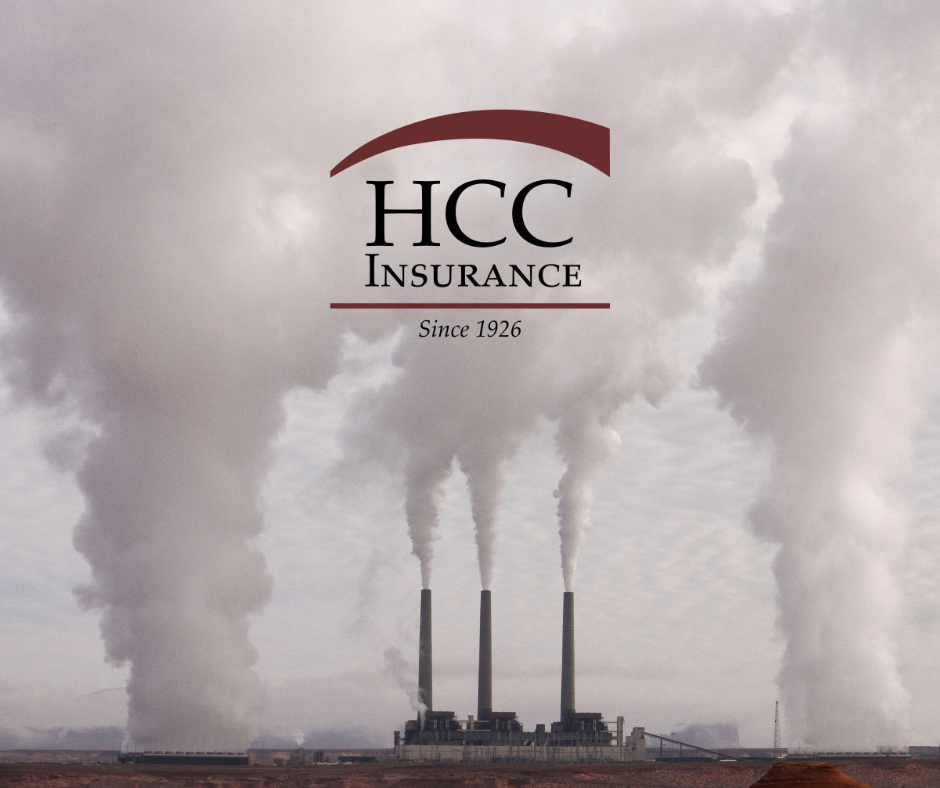
Fumes, vapors, odors, or smoke
Liquids (fuel, oil, chemicals) entering soil or water
Mold, bacteria, or indoor air quality complaints
Wastewater discharge or sewer contamination
Clean-up mandated by a municipality or environmental authority
Even when the incident feels “small,” the response cost is often large once environmental contractors, disposal requirements, testing, and documentation are involved.
Who Needs Pollution Liability Insurance?
Pollution risk is far more common than most industries realize. Below are high-frequency categories where we see real exposure.
Contractors
Contractors are among the most frequently affected because pollution events can occur:
On job sites
During demolition/renovations
Through equipment use and fueling
In the course of plumbing, HVAC, excavation, and sitework
Common contractor scenarios:
Diesel or hydraulic fluid spills from equipment
A ruptured pipe causing sewage contamination
Mold growth triggered by an unaddressed moisture event during renovation
Runoff entering storm drains after excavation or site clearing
Refrigerant leaks from HVAC installation or service
If contamination occurs on a job site, the cleanup obligation often lands on the party deemed responsible—even if the damage spreads beyond your work area.
Restaurants, Coffee Shops, and Food Service
Food businesses often have exposure through:
Grease traps and drainage systems
Cleaning chemicals and sanitizers
Refrigeration equipment
Ventilation and moisture issues
Common scenarios:
Grease trap overflow leading to contamination and cleanup
Chemical discharge into drains creating downstream issues
Refrigerant leaks that trigger air-quality concerns
Moisture and mold complaints following a slow leak
In food service, a “minor” plumbing issue can become a contamination claim fast—especially in multi-tenant buildings.
Breweries and Wineries
Breweries and wineries handle chemicals, wastewater, and byproducts that can create pollution exposure, especially where municipalities enforce strict wastewater rules.
Common scenarios:
Improper wastewater discharge
Chemical sanitizer spills
CO₂ release incidents
Production spills affecting floors, drains, or neighboring tenants
Runoff concerns tied to disposal and cleaning procedures
Many operators are surprised by how quickly a wastewater problem can turn into a regulated event.
Property Owners and Landlords
Landlords and property owners face pollution-related allegations more often than they expect, including:
Mold complaints
Sewer backups and contamination
Oil tank leaks (indoor tanks, underground tanks, or piping)
Air-quality claims tied to moisture, ventilation, or contaminants
Tenant allegations often include health claims, which makes these cases expensive—even before you factor in remediation.
Gas Stations and Convenience Stores
Fuel-related locations are high-risk due to:
Fuel spills during delivery
Underground storage tank (UST) leakage
Storm runoff carrying contaminants
Vapor releases and odor complaints
Third-party impacts to neighboring properties
Environmental response at a fuel site is rarely “simple.” Cleanup costs can escalate quickly, and the regulatory environment is strict.
Fuel Delivery, Oil Delivery, and Transport
Fuel delivery companies have exposure every day:
Hose failures
Delivery line leaks
Overfills
Traffic accidents involving fuel
Emergency response and hazmat cleanup
A key point for many operators: commercial auto coverage is not designed to handle environmental cleanup costs. Pollution liability is often what fills that gap.
Tow Trucks and Auto-Related Operations
Tow operators often encounter pollution exposures during accident recovery and vehicle handling:
Fuel or diesel spills from damaged vehicles
Fluid leaks during transport
Battery acid or chemical exposure
Contamination at a recovery scene
Many towing companies don’t realize that environmental cleanup can be excluded or limited under auto/garage coverage, depending on policy structure.
Marinas and Marine Service Providers
Waterfront operations face pollution exposure with heightened regulatory scrutiny:
Fuel spills during refueling
Oil leaks from boats
Chemical runoff from maintenance
Wastewater issues
Contamination during repairs and storage
In marine settings, a small spill can trigger immediate response and regulatory involvement, which drives cost.
Manufacturing and Fabrication
Manufacturing operations often handle solvents, chemicals, emissions, wastewater, and storage—exposures that can create significant pollution risk.
Common scenarios:
Chemical spills
Wastewater contamination
Storage tank leaks
Air quality allegations
Environmental shutdown risk following an incident
For manufacturers, pollution losses can also trigger business interruption and customer contract issues.
Claim Scenarios: What Pollution Liability Is Built to Handle
These are the types of events that commonly generate pollution liability claims:
A tow truck rollover releases diesel into a storm drain, requiring emergency hazmat response
An HVAC contractor releases refrigerant during service, prompting building complaints and remediation
A restaurant grease trap overflow contaminates a shared space in a multi-tenant property
An excavation contractor hits an old line and causes contamination in a basement or soil
A marina fuel spill requires immediate containment and environmental remediation
A fuel delivery overfill contaminates soil at a client location
In each case, the most painful cost is often not the “damage,” but the cleanup, documentation, disposal, and legal defense.
Here are some claim scenarios: Claim_Scenarios_-_Contractor_Environmental_Coverage__CEC_.pdf from Philadelphia Insurance.
What Pollution Liability Can Cover
Coverage is customizable by industry, but many policies can be tailored to include:
On-site and off-site cleanup and remediation
Third-party bodily injury and property damage
Emergency response expenses
Legal defense and investigation costs
Transportation-related pollution (critical for fuel/tow exposures)
Mold/bacteria/fungus coverage (by endorsement)
Completed operations pollution (important for contractors)
Non-owned disposal site liability
Pollution caused by subcontractors (where available/endorsed)
The goal is not “buy a policy and hope.” The goal is align the coverage to your real exposures and contracts. We partner with Philadelphia Insurance and Tokio Marine Group. They are the premiere provider of Pollution Liability & Environmental Liability.
What Does Pollution Liability Insurance Cost?
Pricing depends on your operations, revenue, materials handled, loss history, and requested limits. Many small to mid-sized businesses can often obtain meaningful coverage at a cost that is modest compared to a single cleanup event.
A practical way to think about it:
One spill can trigger professional response, testing, hauling, disposal, and compliance documentation.
Cleanup costs can escalate rapidly—often far exceeding annual premium.
The right approach is to quote and structure limits based on the realistic worst-case scenario for your operations. Depending on the risk, some minimum premiums start at $3,000. Storage Tank coverage starts at $400 per tank.
Protect Your Business From the Risk You Don’t See Coming
Pollution claims aren’t limited to large industrial companies. They affect contractors, restaurants, breweries, landlords, marinas, towing operations, fuel transport, and manufacturers—often from everyday incidents that fall outside standard liability coverage.
At HCC Insurance, we help business owners identify pollution exposures, review contracts and operations, and structure pollution coverage that fits the way the business actually runs—so a single spill doesn’t become a long-term financial setback.
Call (508) 997-3321 or visit hcandcinsurance.com to request a Pollution Liability review.
Honestly, It’s the Best Policy.
The Friendly Insurance Office.
Disclaimer
Portions of this blog were generated using Artificial Intelligence (AI). The information provided is general in nature and may not address specific insurance needs. HCC Insurance recommends consulting with a licensed agent before making any coverage decisions.
Ready to Discuss Pollution Insurance?
Pollution Insurance Consultation