


Think Before You Post: Why Social Media Can Create Insurance Risk
And Why Your Homeowners Policy May Not Cover It
A TikTok video can go viral in minutes.
A Facebook post can be shared hundreds of times.
A tweet can reach thousands of people instantly.
Different platforms — same reality:
👉 What you post online can create real liability.
And increasingly, those situations are not just arguments… they’re lawsuits.
In this article, you’ll learn what risks social media creates, why homeowners policies may exclude them, and when Personal Injury coverage can help.
The Risk Most People Don’t See
Many homeowners assume their insurance policy covers “anything that happens in everyday life.”
But when it comes to social media activity, that’s often not the case.
Here’s the issue:
If you, your spouse, or even your child posts something online that harms someone else — even unintentionally — you could be held legally responsible.
Examples include:
- Posting something that damages someone’s reputation
- Sharing private information about another person
- Making statements about a business that are not accurate
- Posting videos or images that invade someone’s privacy
These are not rare situations anymore. They happen every day.
Why Your Homeowners Policy May Not Respond
Most homeowners policies are designed to cover accidents that cause physical harm or property damage.
For example:
- Someone slips and falls on your property
- You accidentally damage someone else’s belongings
But social media claims are different.
They usually involve:
- Reputation damage
- Emotional harm
- Privacy violations
These are considered non-physical injuries — and that’s where the gap exists.
👉 If there is no bodily injury or property damage, the policy often does not apply.
That means:
- No coverage
- No legal defense
- No protection
Real-World Examples Are Increasing
Courts are taking online activity seriously.
There have been cases where:
- Individuals were ordered to pay hundreds of thousands of dollars for defamation
- Businesses suffered major financial loss due to viral posts
- Social media disputes turned into full lawsuits
Massachusetts has even taken it a step further, with laws addressing online harassment and electronic communication.
The key takeaway:
👉 What you say online has real-world consequences.
What Is “Personal Injury” Coverage?
There is coverage available for these types of risks — but it is not included automatically.
It’s called Personal Injury coverage, and it must be added to your homeowners policy. This endorsement generally costs less than $20!
This coverage can help protect you against claims such as:
- Libel or slander (defamation)
- Invasion of privacy
- False statements about a person or business
- Certain reputation-related claims
Unlike standard liability coverage, this protection is triggered by what you say or publish, not by an accident.
Why This Matters More Than Ever
Years ago, these risks were limited to:
- Newspapers
- Television
- Public figures
Today, everyone is a publisher.
Every post, comment, or video has the potential to:
- Reach a wide audience
- Be shared repeatedly
- Create unintended consequences
And remember — this applies to your entire household.
👉 If your child posts something online, you could still be responsible.
A New Risk: Drones and Privacy
Technology is also creating new exposures.
Drones, for example, are often seen as a fun tool — but they can create liability if:
- You record someone without permission
- You post footage that invades privacy
- You capture images of neighboring properties
Even if your policy covers the drone itself, it may not cover the personal injury exposure created by how it’s used.
Important Limitations to Understand
Even when Personal Injury coverage is added, it does not cover everything.
There are still important limitations.
For example, coverage may not apply if:
- You knowingly post something false
- You intentionally harm someone’s reputation
- The issue involves business-related activity
- The situation involves discrimination
This is why understanding your coverage — not just having it — is critical.
The Bottom Line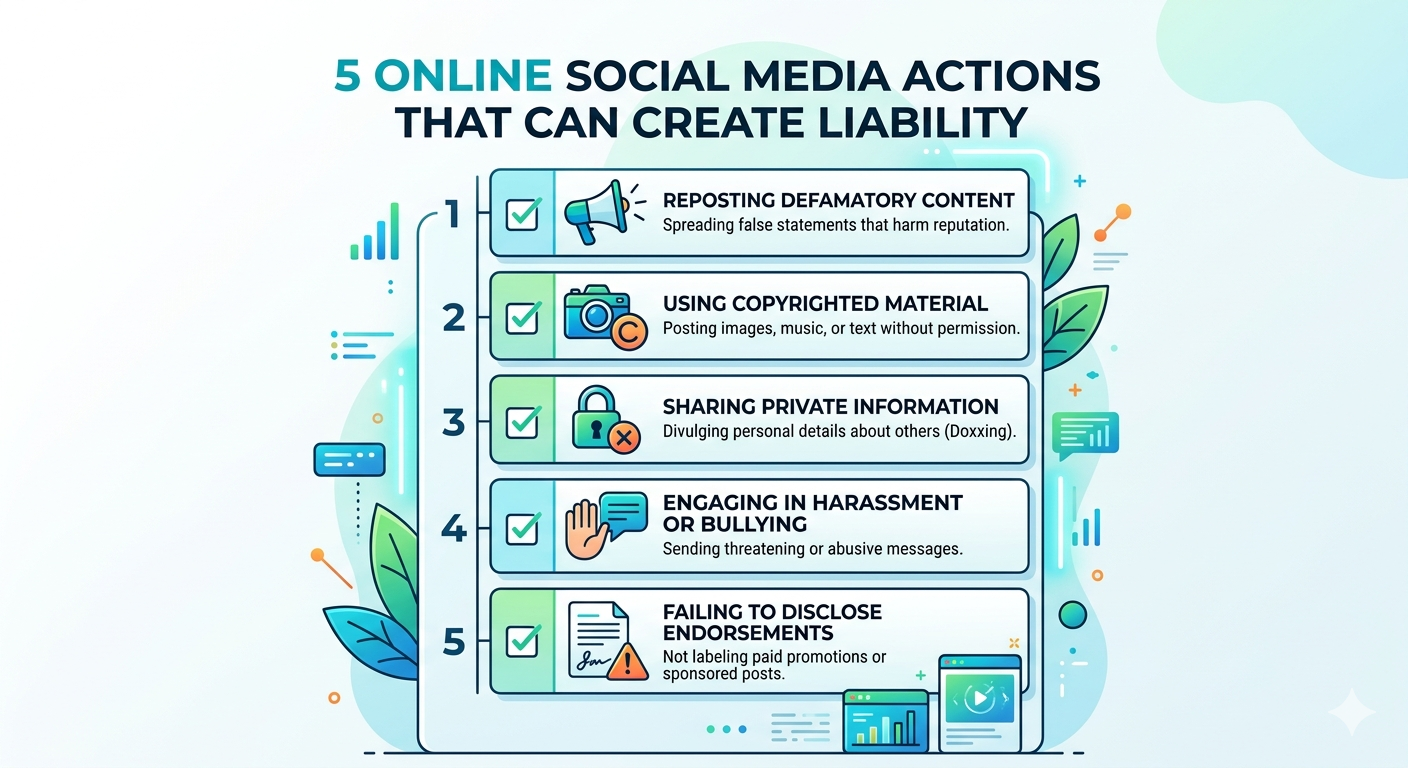
Social media feels informal — but legally, it’s not.
👉 Every post has the potential to create liability.
👉 Most homeowners policies do not automatically cover these exposures.
👉 The right endorsement can make a significant difference.
This is no longer a rare or unusual risk. It’s part of everyday life.
Protect Yourself Before There’s a Problem
At HCC Insurance, we believe insurance should be simple, honest, and easy to understand.
More importantly, we believe in helping clients identify risks before they turn into claims.
If you’re not sure whether your homeowners policy includes Personal Injury coverage, let’s review it together.
📞 Call (508) 997-3321
🌐 Visit hcandcinsurance.com
Honestly, It’s the Best Policy.
The Friendly Insurance Office.
More than a policy. A partner in risk management.
Disclaimer:
Portions of this blog were generated using Artificial Intelligence (AI). The information provided is general in nature and may not address specific insurance needs. Coverage terms, conditions, and availability vary by insurer and policy. Always consult with a licensed insurance professional regarding your specific situation.