


Why Flood Insurance Should Be a Priority, Even If You Don’t Live in a High-Risk Area
Flooding is one of the most common and costly natural disasters in the United States, yet many homeowners believe they’re immune to the risks if they don’t live in a designated flood zone. However, whether you live in coastal towns like New Bedford, Dartmouth, or Fairhaven, or inland cities like Taunton or Attleboro, flood insurance is an essential safeguard for protecting your property and financial future. Floods can strike anywhere, and recent climate trends have shown that no region is entirely safe from rising water levels.
This blog will explain why flood insurance should be a top priority for Massachusetts homeowners, regardless of whether you live in a high-risk flood area.
The Expanding Risk of Flooding in Massachusetts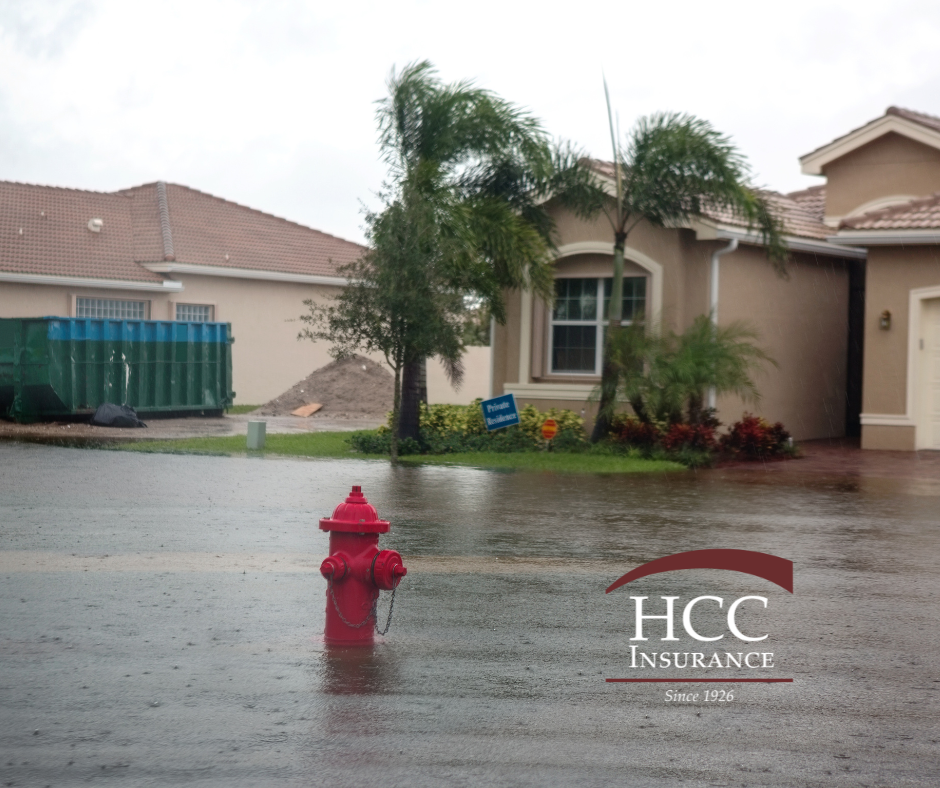
Flooding is no longer limited to coastal regions or areas near major rivers. Increasingly, flooding is affecting communities across Southeastern Massachusetts, from Plymouth to Fall River and beyond. This is partly due to unpredictable weather patterns and increased precipitation, which have put previously low-risk areas at a higher risk for flooding.
Even inland towns like Middleborough and Lakeville are seeing rising water levels during periods of heavy rain. Coastal towns like Wareham, Mattapoisett, and Marion are not just exposed to hurricanes or storm surges but also to flooding caused by heavy rain events and high tides. Given these circumstances, flood insurance is a smart investment for any homeowner, regardless of location.
Why Standard Homeowners Insurance Doesn’t Cover Floods
One of the most common misconceptions homeowners have is that their standard homeowners insurance will cover flood damage. Unfortunately, this is not the case. Homeowners insurance typically covers damage from events like fires, wind, or theft, but it specifically excludes floods.
For residents in communities such as Westport, Acushnet, and Seekonk, this exclusion can come as a costly surprise after a flood event. Without flood insurance, you may be responsible for covering repair costs out of pocket, which can easily reach tens of thousands of dollars.
Flood Damage Can Happen Anywhere
Floods don’t just happen in high-risk flood zones. In fact, according to the Federal Emergency Management Agency (FEMA), more than 20% of flood claims come from properties outside of high-risk flood zones. This means that homeowners in areas like Somerset and Freetown, often considered lower-risk, are still vulnerable.
Floods can occur due to a variety of reasons:
- Heavy Rain: Intense rainstorms can overwhelm drainage systems and lead to flash flooding in any community.
- Storm Surge: Even if your home is not right on the coast, a storm surge from a hurricane can push water inland, affecting areas like Swansea and Berkley.
- Snowmelt: Rapid snowmelt in the winter or early spring can cause flooding in areas not typically considered flood-prone.
- Blocked Drainage Systems: Urban areas like Fall River and New Bedford are particularly vulnerable to flooding when storm drains and sewers become blocked, forcing water into streets and homes.
Affordable Protection in Lower-Risk Areas
One of the most significant advantages of purchasing flood insurance in a low-risk area is that it is often much more affordable than coverage in high-risk zones. Homeowners in Dartmouth, Plymouth, or Attleboro may be able to secure comprehensive flood insurance for a fraction of what it would cost in a designated flood zone. The peace of mind you gain from knowing that your home is protected in case of unexpected flooding is well worth the cost.
Even if FEMA doesn’t consider your area high-risk, private insurance providers and the National Flood Insurance Program (NFIP) offer policies tailored to moderate and low-risk regions like Marion or Lakeville. These policies are typically less expensive and provide excellent coverage.
The True Cost of Flood Damage
Without flood insurance, the financial consequences of a flood can be devastating. FEMA estimates that just one inch of water in your home can cause up to $25,000 in damages. For homeowners in communities like Middleborough or Mattapoisett, flood recovery costs can include structural repairs, replacing damaged belongings, and even temporary housing while your home is being repaired.
For example, if a major storm hits the Plymouth area, even homes far from the coastline can experience significant water damage due to excessive rainfall or overwhelmed drainage systems. Without insurance, homeowners would need to cover these costs entirely on their own.
Climate Change and Unpredictable Weather Patterns
Climate change is contributing to more severe and frequent storms, particularly in coastal regions like New Bedford, Wareham, and Westport. Warmer ocean temperatures are fueling stronger hurricanes and tropical storms, increasing the likelihood of flooding. Additionally, rising sea levels are exacerbating the risk of storm surges along the Massachusetts coastline.
Even inland towns like Taunton and Freetown are seeing the effects of more unpredictable weather patterns. Seasonal storms are producing heavier-than-usual rainfall, which can lead to flash flooding, especially in areas where infrastructure isn’t designed to handle such extreme weather.
Given these factors, flood insurance should be a critical component of any homeowner’s risk management strategy, regardless of whether they live in a high-risk or low-risk flood zone.
Steps to Take to Protect Your Home
If you live in a coastal town like Fairhaven or an inland city like Seekonk, now is the time to evaluate your flood risk and take steps to protect your home. Here are some actions you can take:
Assess Your Flood Risk: Use FEMA’s Flood Map Service Center to see if your property is located in a high-risk flood zone. However, even if you’re outside of these areas, you may still be at risk.
Purchase Flood Insurance: Contact your insurance agent to discuss adding flood insurance to your existing homeowners policy. Be sure to ask about affordable options for lower-risk areas like Acushnet or Somerset.
Elevate Critical Utilities: In flood-prone areas, consider elevating your furnace, water heater, and electrical panels to reduce the risk of flood damage.
Install Sump Pumps and Backflow Valves: These devices can help prevent water from entering your home during heavy rainfall or rising water levels.
Conclusion
Flood insurance is a crucial investment for any homeowner in Massachusetts, whether you live in New Bedford, Plymouth, or Fall River. With floods becoming more frequent and unpredictable, no home is entirely safe from the risk of water damage. By securing flood insurance, you protect yourself from significant financial losses and ensure your home is prepared for the unexpected.
Don’t wait for a flood to strike before considering your coverage. Speak with us today to discuss affordable flood insurance options that fit your needs, no matter where in Southeastern Massachusetts you reside. Our agency writes flood insurance with over 20 different flood markets!